
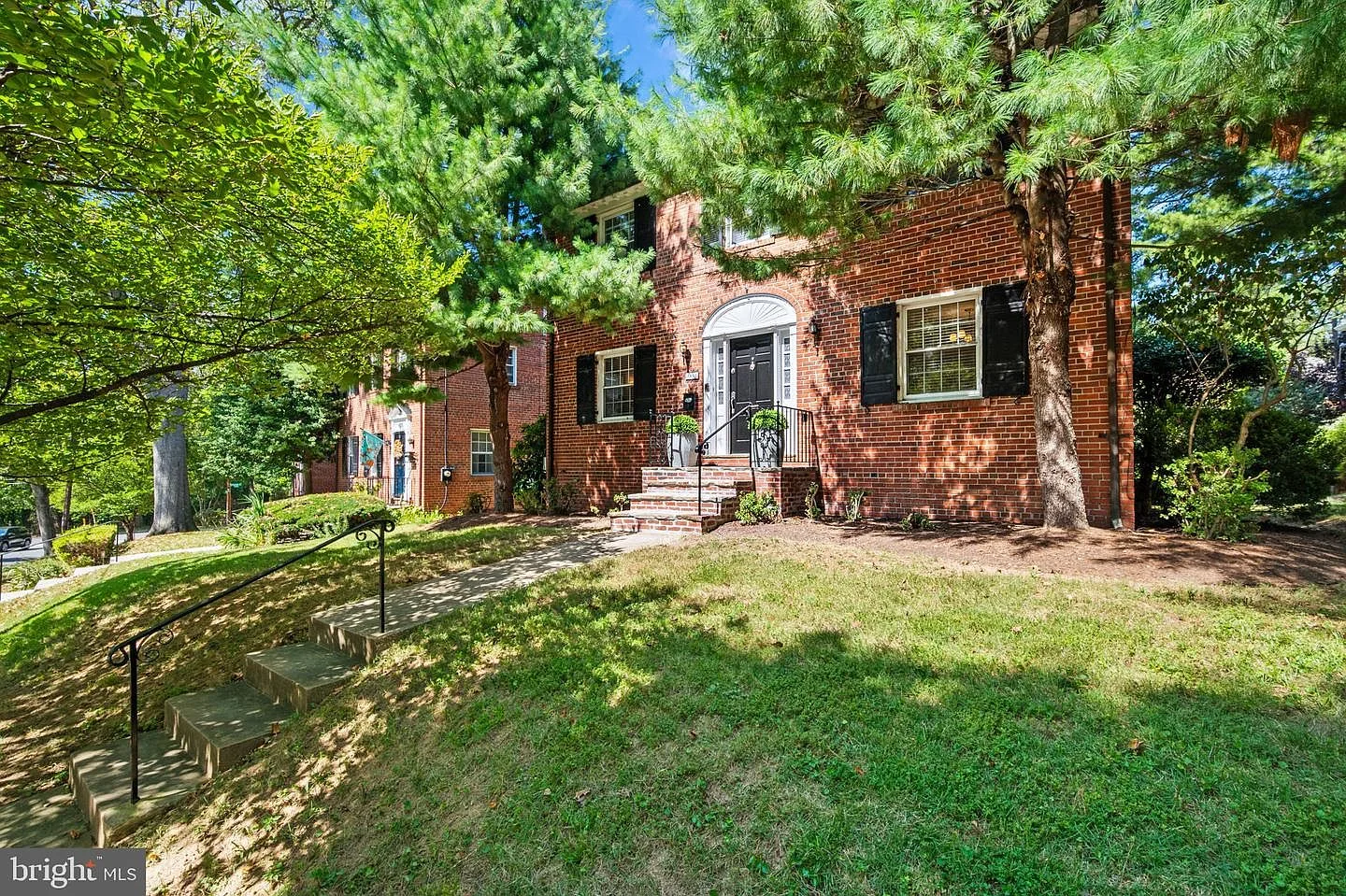
Colonial Village is a residential enclave in the northern tip of Northwest Washington, DC, in the 20012 ZIP code and the Shepherd Park community area. It is bounded by the Maryland line to the north, 16th Street NW to the east, Holly Street to the south, and Beach Drive and Rock Creek Park to the west. What makes it distinctive is its origin: beginning in 1931, roughly 80 homes were built here as deliberate reproductions of colonial-era buildings, and the village still wears that character today.
A village built on a plantation
The land under Colonial Village was originally part of the 145-acre Fenwick plantation, held by Phillip Fenwick in the early days of the District. When development finally came in the early 1930s, developers did something unusual for the time: instead of repeating the same house plan, they built colonial replicas, including homes modeled on George Washington's boyhood home and on the Moore House of Yorktown fame, where the British surrender was negotiated.
Why colonial copies took root
The 1930s were a golden moment for colonial-revival architecture in the United States. Americans were looking backward for reassurance during the Depression, and builders responded with white clapboard, brick symmetry, and the styling of an earlier, more ordered century. Colonial Village fit that mood so well that its first residents came to call the original section "Old" Colonial Village, and the house at 1667 Primrose Rd NW, built in 1942, belongs to the same tradition.
The park drew the city's edge
Much of the village's appeal comes from its western boundary: Rock Creek Park, with Beach Drive running along the edge of the neighborhood. The park delivers trails, green space, and a sense of retreat that very few DC addresses get this close to downtown. Residents also live within walking distance of downtown Silver Spring's shops, theaters, and dining, and 16th Street connects the corridor straight into the city.
What sellers and buyers should know
Homes in the original village are prized for their character and their scale: winding, tree-lined streets, brick and frame houses with real architectural detail, and lots big enough for gardens. Buyers who want modern cookie-cutter space should look elsewhere; buyers who want a house that tells a story should look here first. The Washington Post once wrote that Colonial Village "lives up to its name," and a walk down Primrose Road makes the point better than any article can.
Next time you drive 16th Street into the city, take the extra ten minutes to come up Primrose and see the village for yourself. 1667 Primrose Road NW has sold, but Marc still knows every corner of the village. If you are thinking about selling, he would be glad to talk it through with you.
- Colonial Village history on Wikipedia
- The Washington Post on Colonial Village
- Maryland SHA community summary (PDF)
Marc Cormier is a Realtor at Berkshire Hathaway Pen Fed, serving Washington DC, Virginia, and Maryland. Licensed in Maryland, Salesperson License 620443.